

Imagining Life Beyond Earth
What might life look like on a planet without a sun? How would an organism adapt to extreme temperatures, unfamiliar atmospheres, or unusual gravitational conditions?
Imagine Aliens workshops bring together astronomy, astrobiology, and artistic imagination to explore the possibilities of extraterrestrial life. Participants investigate unfamiliar planetary environments and invent organisms that might inhabit them, using scientific knowledge as a starting point for creative experimentation.
Developed through doctoral research in Art Education, Imagine Aliens has evolved into a flexible workshop format that can be adapted to different audiences, settings, and artistic practices. From school classrooms and science museums to university symposia, the project invites participants to explore scientific ideas through playful, hands-on creative inquiry.
The Cards: Science Meets Imagination
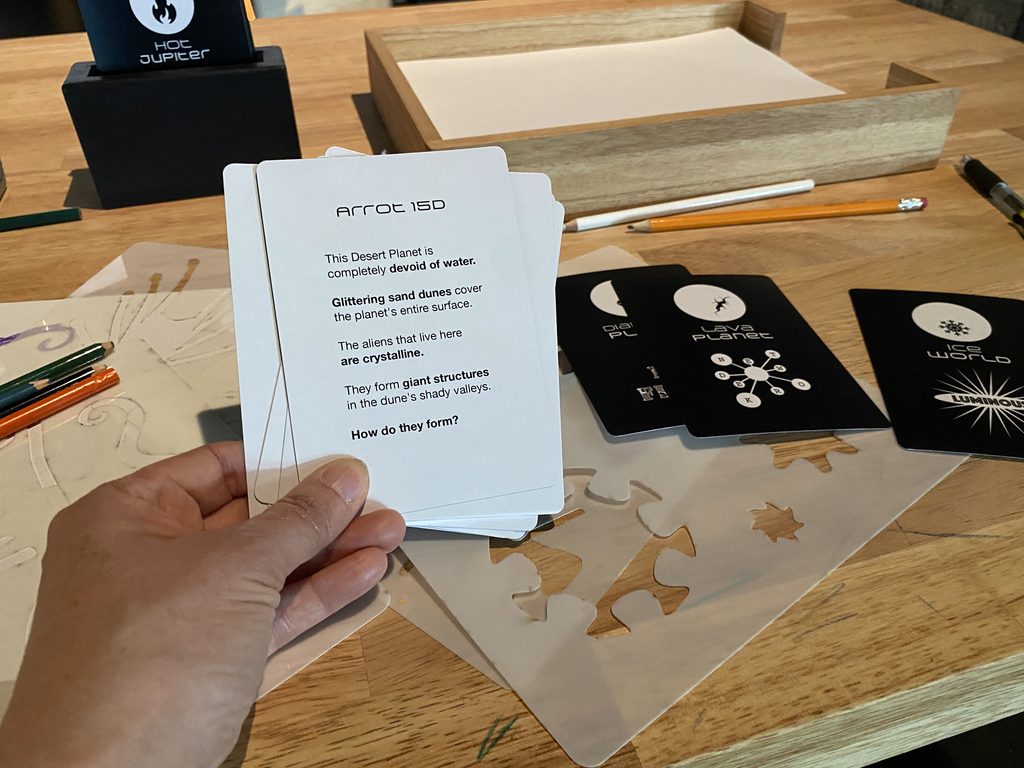
At the heart of Imagine Aliens is a collection of creative prompt cards inspired by exoplanet research and astrobiology.
The cards combine two categories:
- World Cards introduce planetary environments, from frozen ocean worlds and scorching lava planets to rogue planets drifting through interstellar space.
- Life Cards present biological characteristics and adaptations, encouraging participants to imagine how organisms might survive and thrive under unfamiliar conditions.
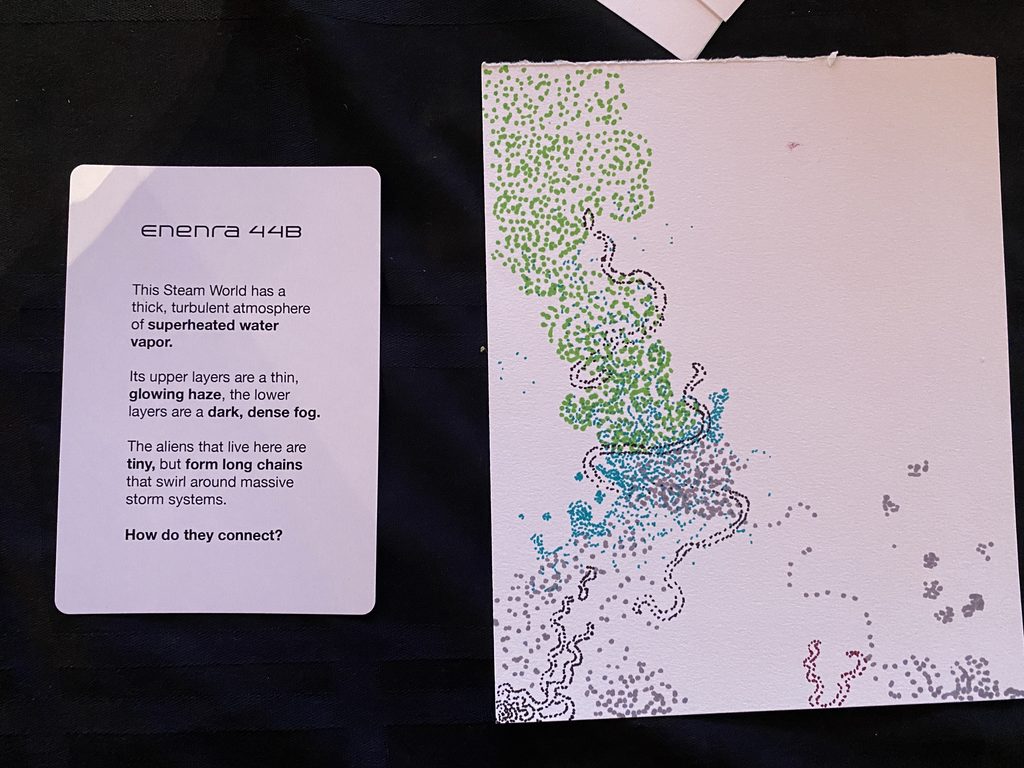
Each card introduces scientific information alongside a guiding question that invites creative interpretation. By combining different planetary environments and biological possibilities, participants are encouraged to move beyond familiar representations of alien life and develop unexpected ideas.
The cards provide enabling constraints: scientific parameters that stimulate rather than restrict imagination. They offer a shared starting point while leaving room for individual interpretation, experimentation, and discovery.
Creative Tools and Activities
Imagine Aliens workshops can take many forms, ranging from quick drawing activities to extended projects involving storytelling, animation, and collaborative inquiry.
A growing collection of creative tools supports these different approaches.
Drawing and Painting
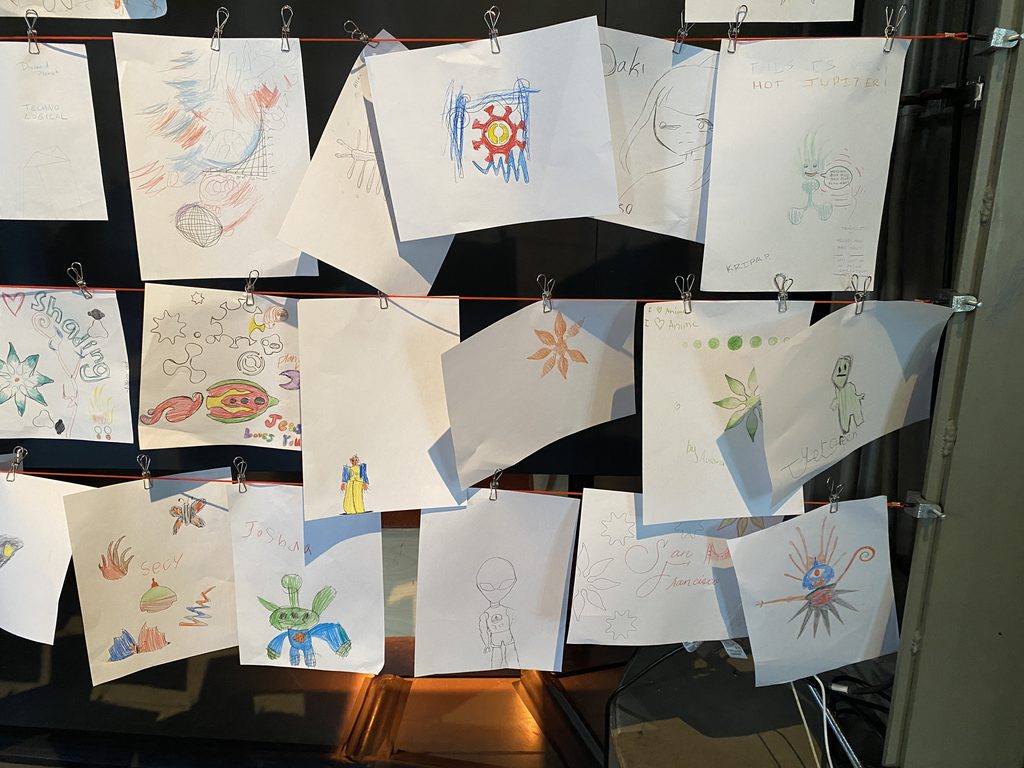
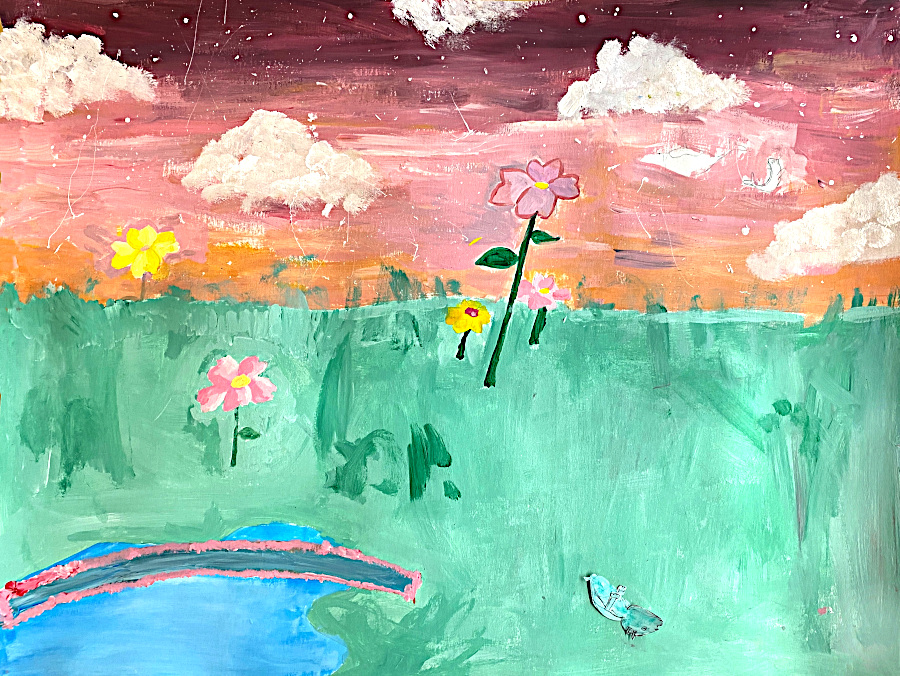
Participants use the card prompts to imagine extraterrestrial landscapes and organisms, translating scientific concepts into visual forms. Activities can range from spontaneous sketches to detailed illustrations and paintings.
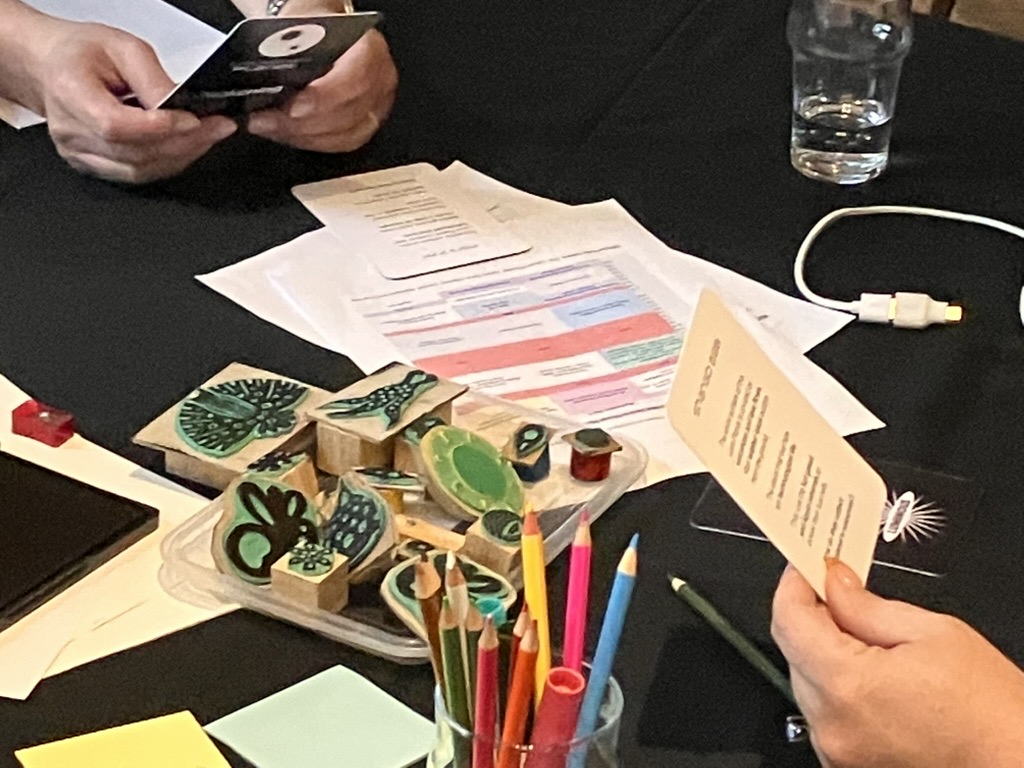
Stencils and Rubber Stamps
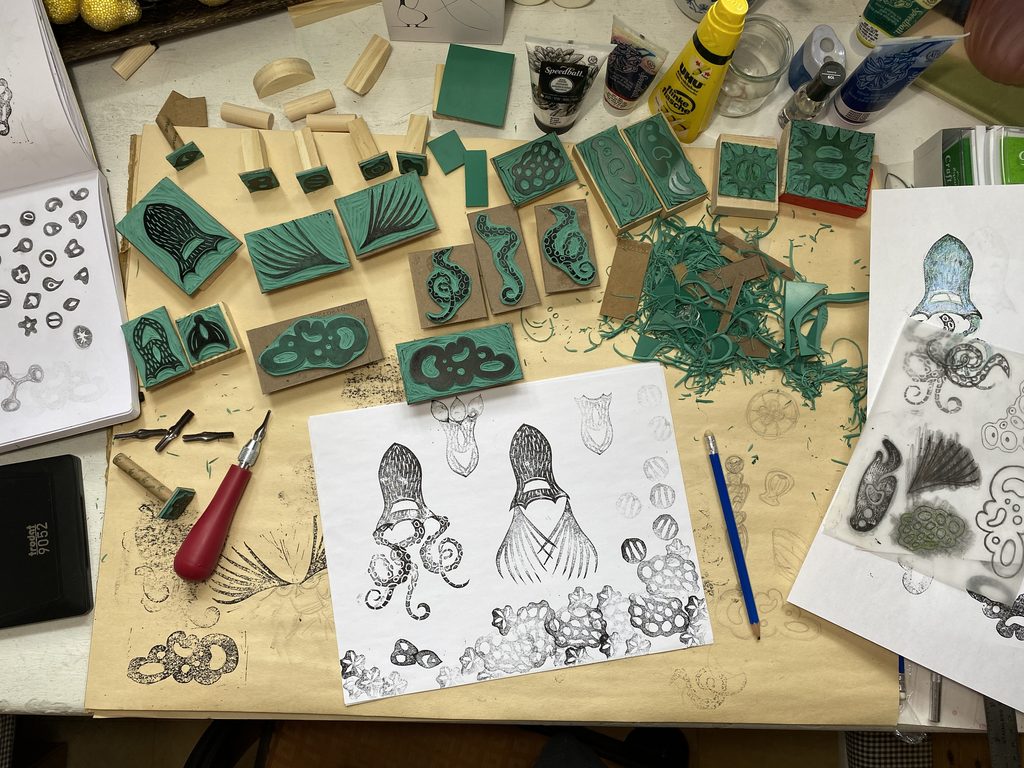
Specially designed stencils and rubber stamps introduce a playful, modular approach to inventing alien life.
The shapes resemble unfamiliar biological structures but have no fixed function. A single form might become a leg, an antenna, a head, a body, or an entirely unexpected feature.
By combining, rotating, and reinterpreting these shapes, participants construct organisms that challenge familiar ideas about anatomy and biological form.
These tools make the creative process accessible to participants with different levels of artistic experience while encouraging experimentation and imaginative problem-solving.
Worksheets and Guided Prompts
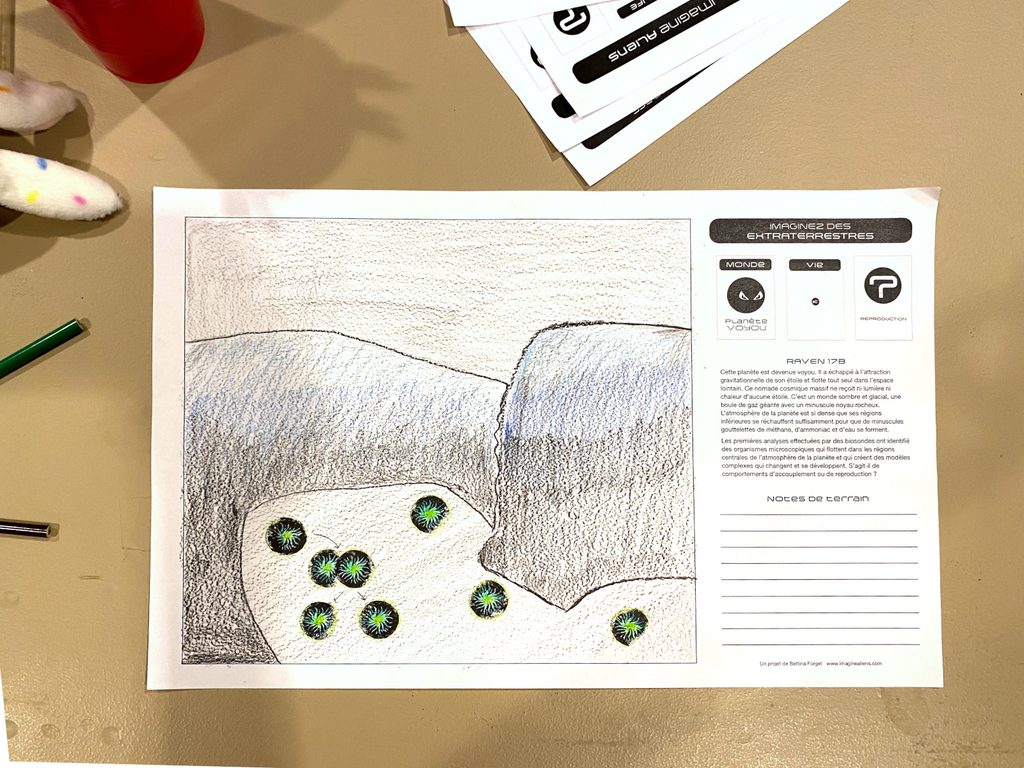
For workshops that benefit from a more structured approach, illustrated worksheets combine planetary environments, biological attributes, and questions about how an organism might live.
Prompts might ask where an alien finds shelter, how it moves, or what it eats. These questions encourage participants to connect the characteristics of their imagined organisms with the conditions of their environments.
Storytelling and Animation
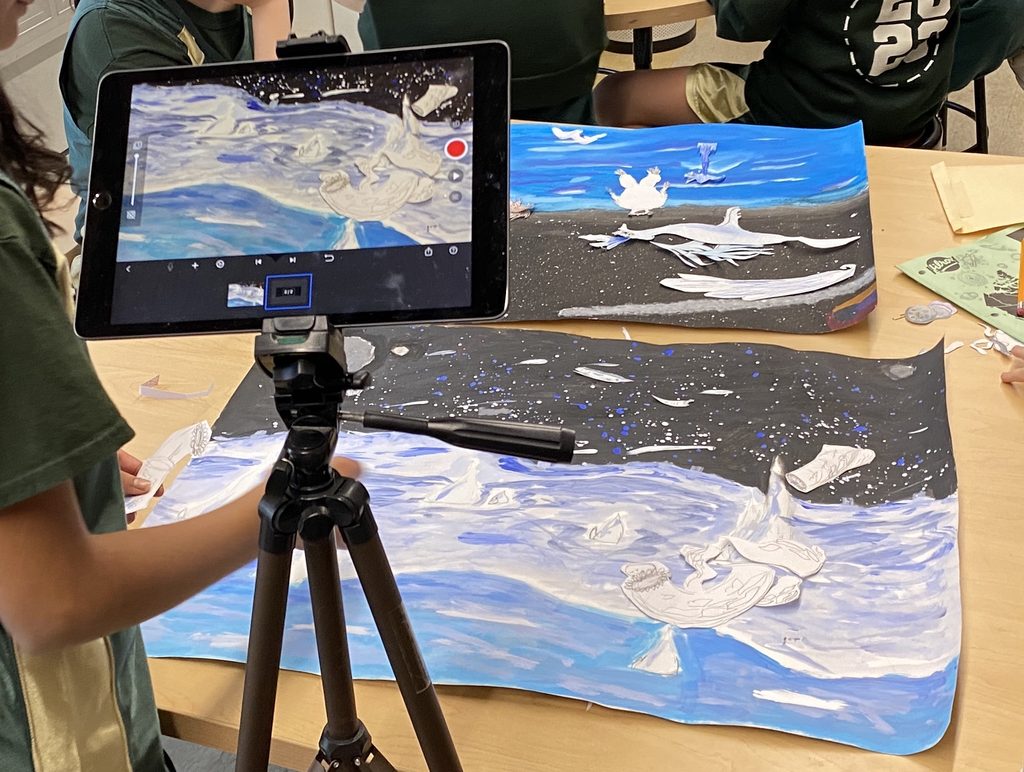
Longer workshops can extend beyond the initial design of alien life forms into visual storytelling, creative writing, and moving-image projects.
Activities developed through Imagine Aliens include illustrated Explorer’s Journals, paper-cut stop-motion animation, Crankie Theatre storytelling, and interactive science-fiction narratives.
These formats invite participants to explore alien worlds in greater depth, developing relationships between environments, organisms, and imagined ways of life.
Adaptable to Different Audiences
Imagine Aliens has been presented in a variety of educational, scientific, and cultural settings. The format can be adapted to different ages, levels of scientific knowledge, and creative experience.
Schools and educational settings
The original Imagine Aliens curriculum was developed through doctoral research with students aged 6 to 13 in three Montreal schools. Activities integrated visual art, astronomy, astrobiology, and storytelling across different subject areas.
Museums and public events
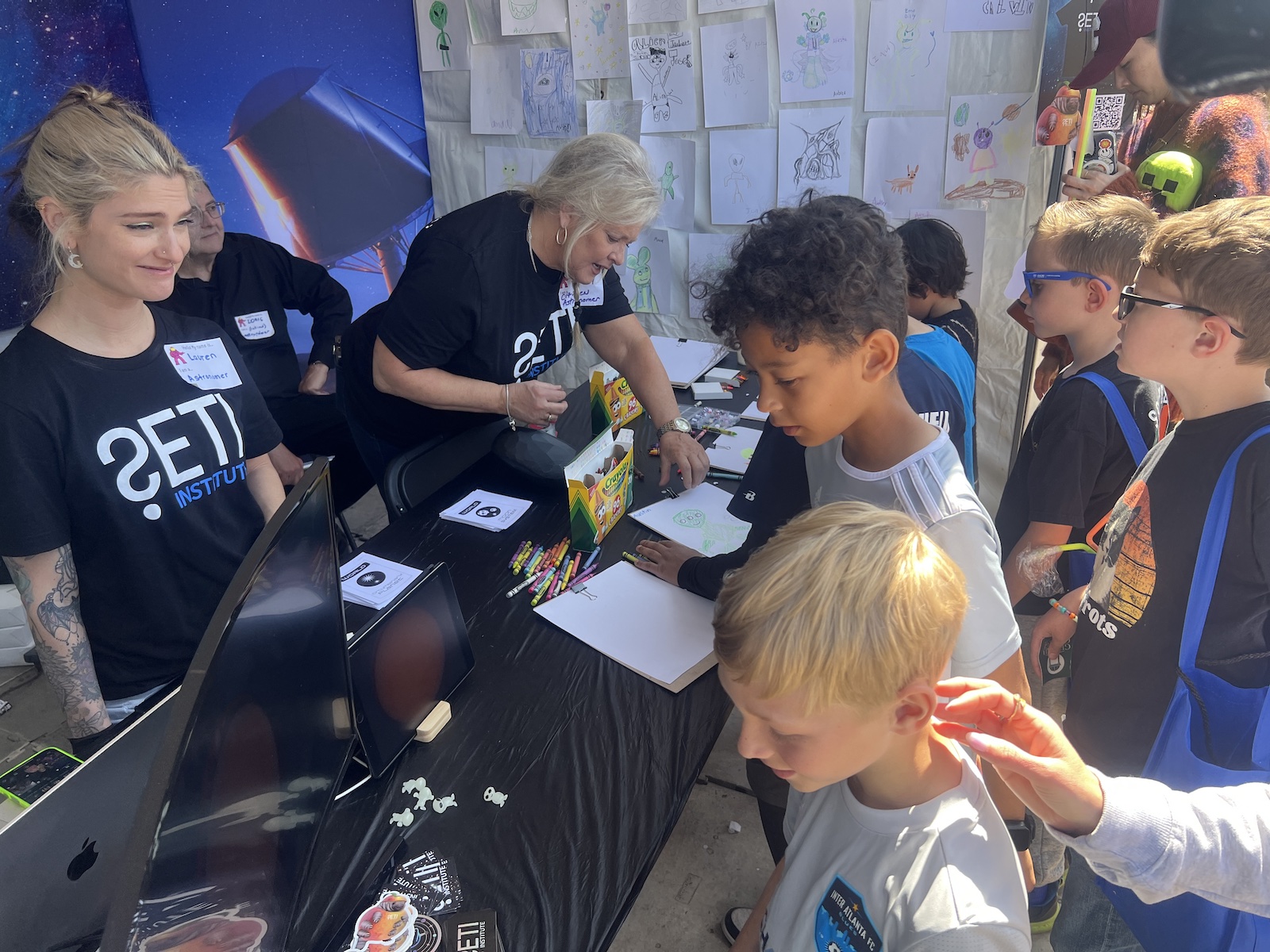
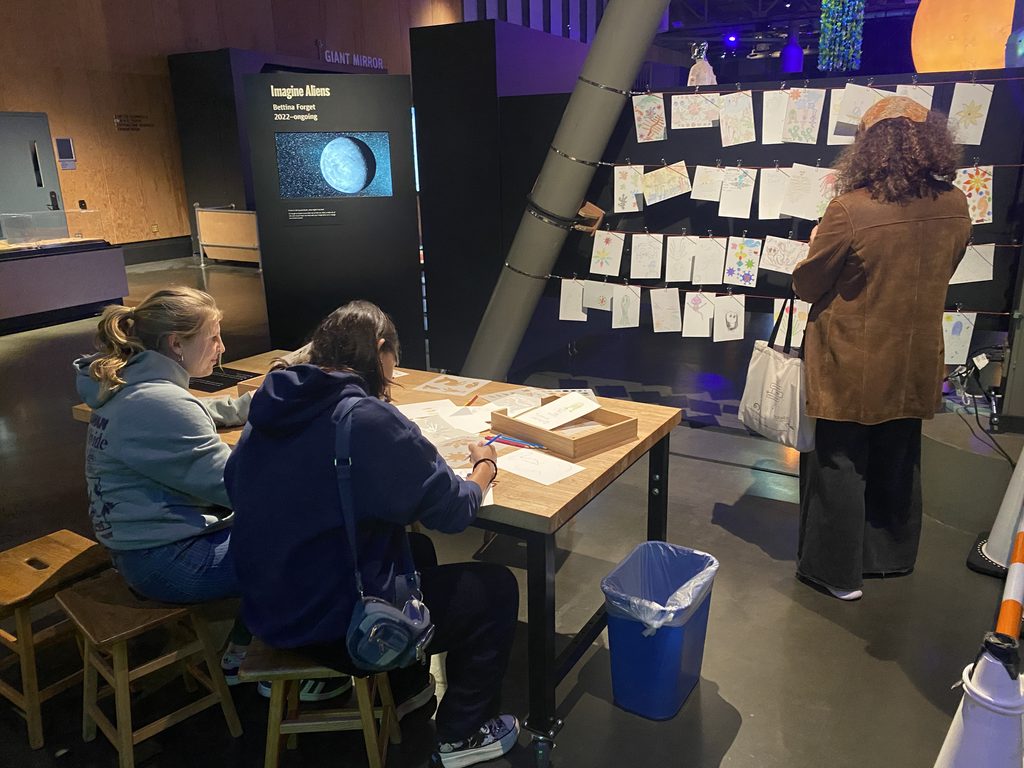
Short, accessible activities invite families and general audiences to explore exoplanet science through hands-on art-making. Workshops at the Montreal Planetarium and the Exploratorium in San Francisco have used cards, worksheets, rubber stamps, and stencils to engage visitors in imagining extraterrestrial life.
Universities and professional gatherings
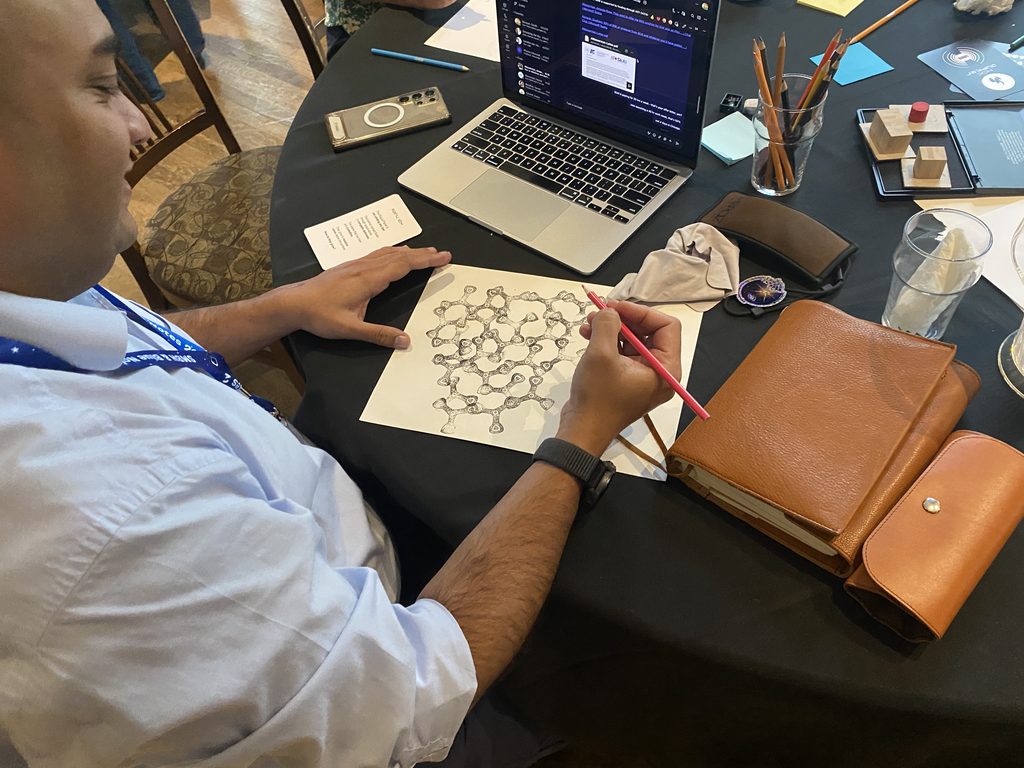
Imagine Aliens also provides a framework for creative exploration among adults, including educators, artists, and scientists. Workshops with art education students and teachers at Concordia University, and with astrophysicists at McGill University’s Illuminating the Transient Universe symposium, demonstrate how the methodology can encourage imaginative inquiry across different professional and disciplinary contexts.
Whether participants are encountering astrobiology for the first time or are already familiar with the science, Imagine Aliens creates opportunities to approach familiar and unfamiliar knowledge from new perspectives.
Learning Through Creative Inquiry
Imagine Aliens is grounded in the idea that artistic and scientific inquiry can enrich one another.
Scientific information about exoplanets, planetary environments, and biological adaptation provides a framework for imagining unfamiliar forms of life. Artistic experimentation, in turn, encourages participants to question assumptions, explore alternatives, and develop new ways of thinking about scientific concepts.
The project’s doctoral research demonstrated how creative activities can support scientific learning while accommodating diverse artistic interests and forms of expression.
The workshops also invite participants to reconsider familiar representations of extraterrestrial life. Rather than defaulting to humanoid creatures or science-fiction stereotypes, they are encouraged to imagine organisms shaped by radically different environments and evolutionary possibilities.
This approach treats art not simply as a means of illustrating science, but as an active form of inquiry that can generate new questions, perspectives, and insights.
Explore Imagine Aliens
Imagine Aliens continues to evolve through workshops, exhibitions, educational collaborations, and the development of new creative resources.
The workshop format can be tailored to different audiences and settings, from informal public activities to extended interdisciplinary learning experiences.
Visit the Gallery to see examples of Imagine Aliens workshops and participant creations.
Educators, museums, science centres, and research institutions interested in collaborating or hosting an Imagine Aliens workshop are welcome to get in touch.